Immersive Art in VR
DESCRIPTION
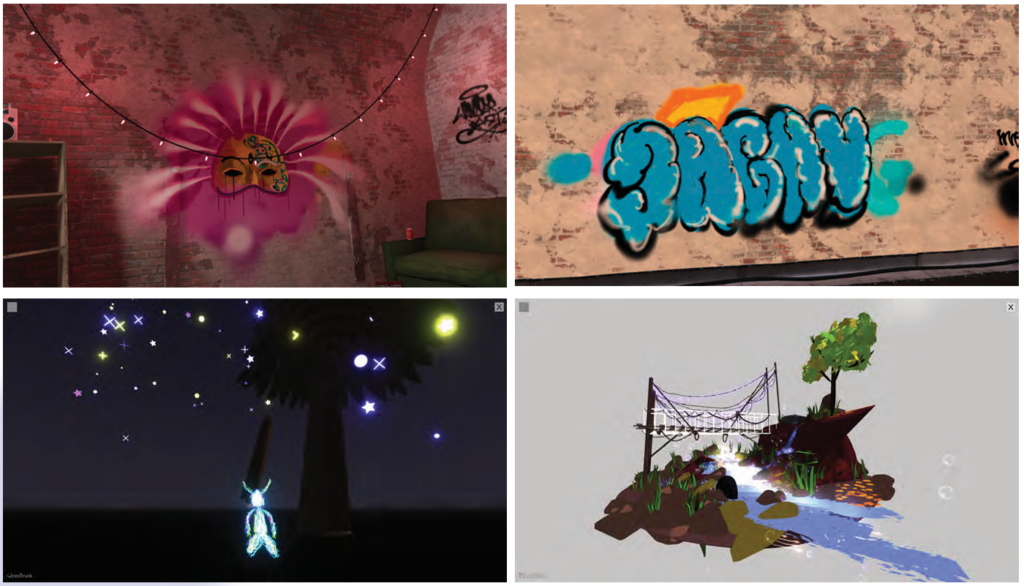
Immersive Art in VR introduces students to a dynamic three-dimensional environment where they can explore and create art using virtual
reality tools. The course combines traditional art knowledge with modern digital techniques, allowing students to sketch and paint in a
space that responds to gesture, scale, and movement. It encourages creative expression beyond the limitations of conventional media and
invites learners to reimagine the act of making art. More than just a learning module, the course opens up new possibilities for artists to
experiment and express themselves in innovative ways.
CORE PHILOSOPHY
- Grounded in foundational art knowledge, this workshop highlights how traditional visual language—structure, shading, and composition—translates into immersive VR contexts. This approach is supported by cognitive studies indicating how spatial and visual learning adapts across physical and virtual media (Gallagher et al., 2020). Experiential learning.
- Learning: Learning happens through doing—each day includes guided exercises, demonstrations, and hands-on practice in VR.
- Balanced Pace: The schedule is designed to support deep focus while also allowing time for exploration and reflection.
- Project-Based Outcome: Students will complete individual projects in VR painting and graffiti through a shared understanding of visual language.
- Small Group Focus: With a limited number of students and a staggered schedule, each participant receives personalized guidance and feedback.
Learning Outcomes
By the end of the workshop, students will:
- Understand how core visual concepts translate into VR.
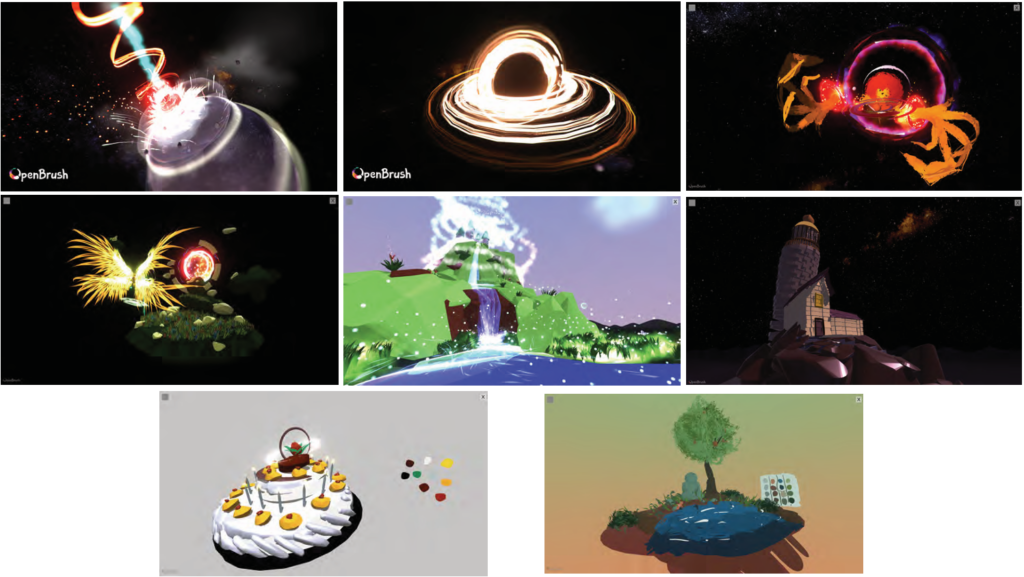
- Gain hands-on experience with VR art tools like Open Brush, King spray, Vermillion, and Gravity Sketch.
- Create a completed VR artwork that reflects their learning and personal approach.
- Build confidence in using VR for creative expression and ideation.
Introduction to VR Art
research Context:
Understanding form and value in spatial environments is crucial for spatial cognition, as supported by Gallagher et al. (2020), who show that VR can enhance spatial reasoning by providing embodied learning environments.
(Gallagher et al., 2020 – Frontiers in Psychology)
EXERCISES- TRADITIONAL SKETCHING
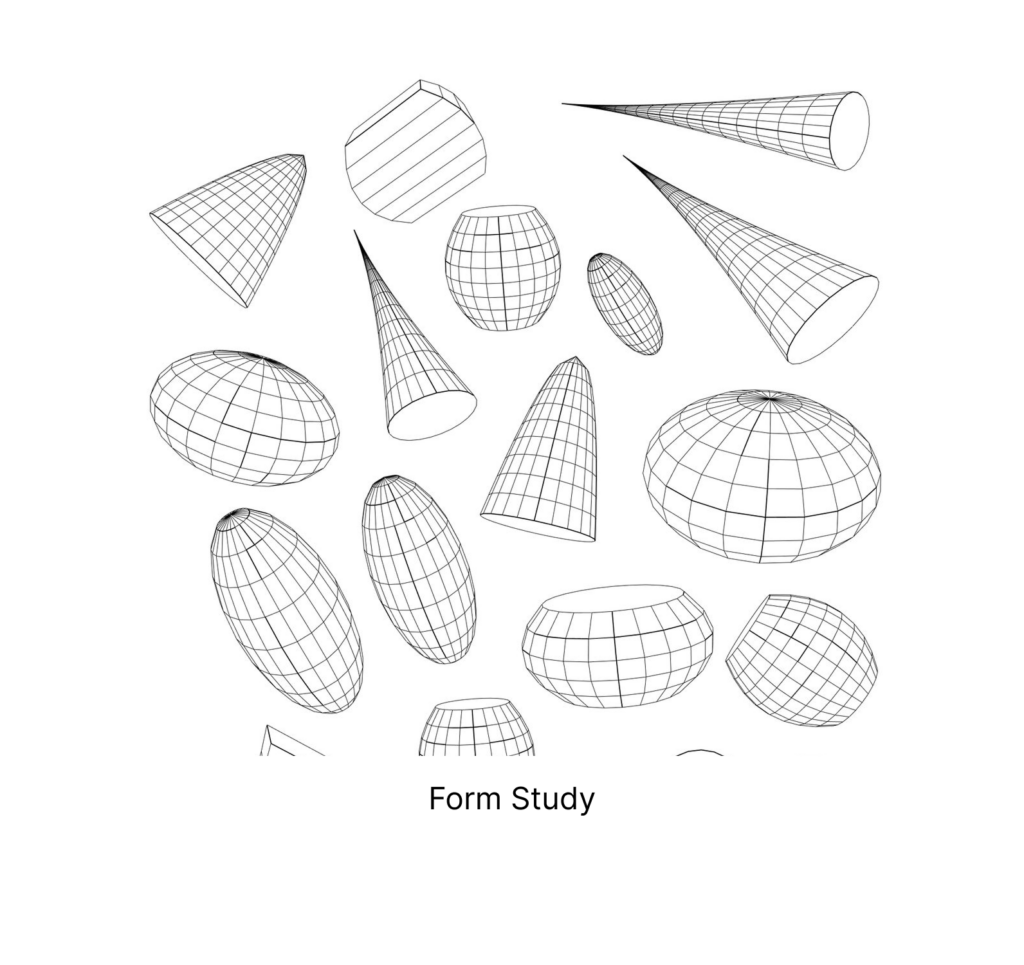
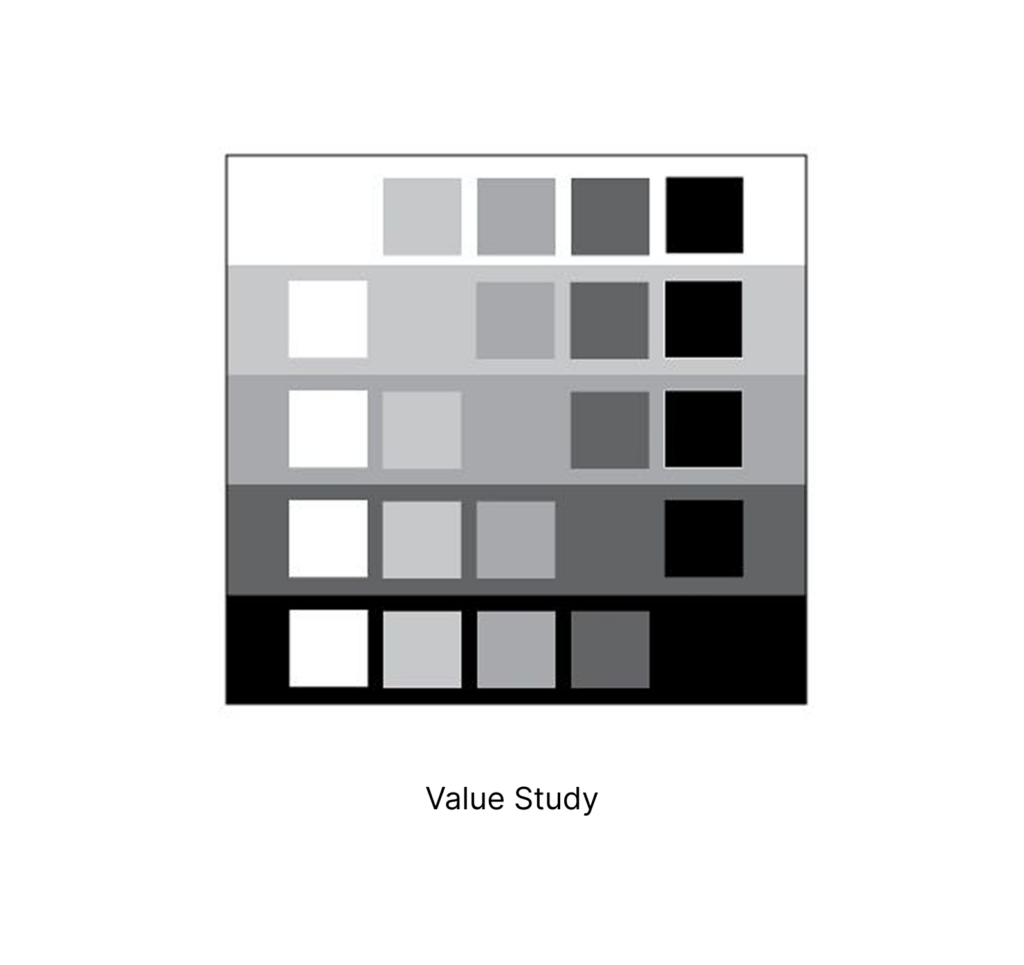
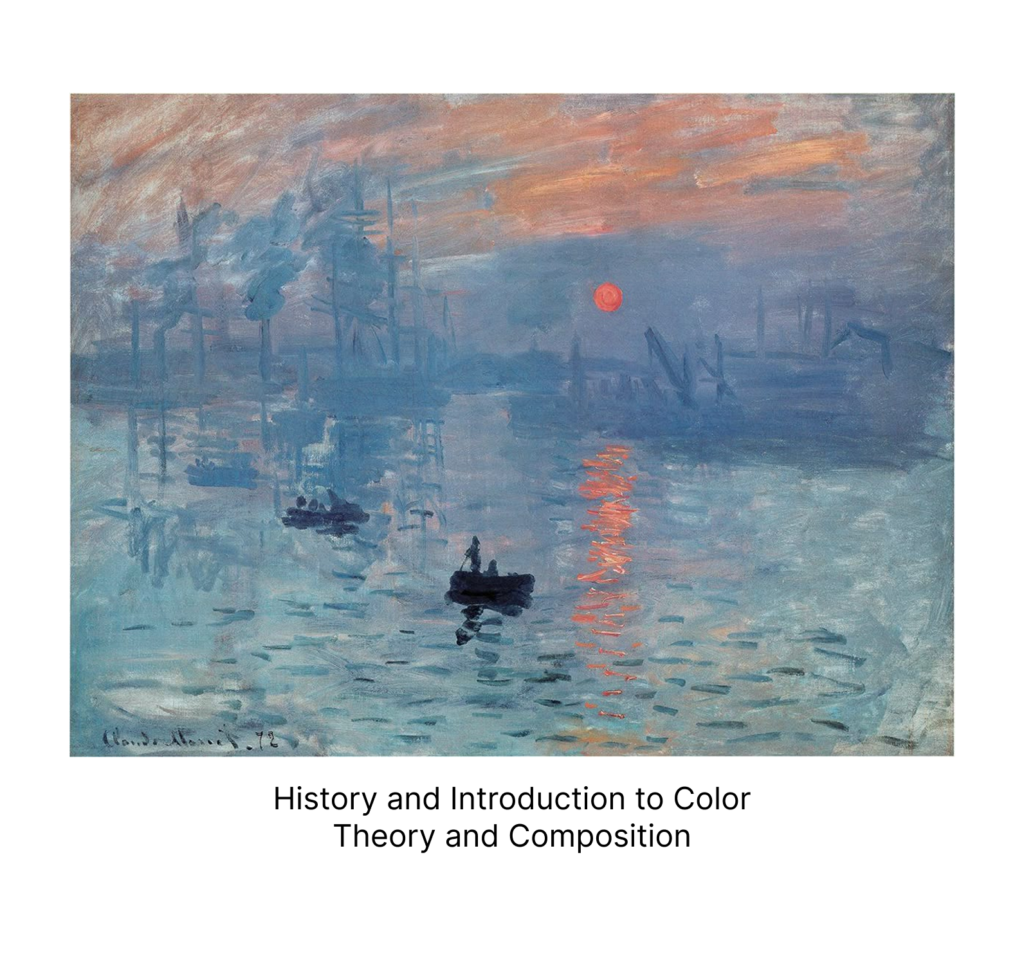
Objective-
- Form Study: To understand how complex objects can be constructed from simple shapes and improve spatial visualization
- Value Study: To learn how light, shadow, and shading create depth and realism in drawings
- History (Color & Composition): To understand how color and composition evolved and how these principles can be applied meaningfully in artworks
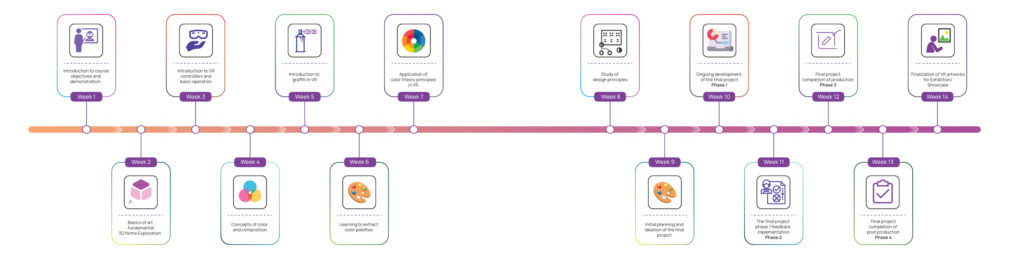
CREATING YOUR VR ARTWORK
Students will work on a final VR artwork that brings together the core principles covered so far—form, value, colour theory, and composition. This phase is meant to support creative exploration and independent application of the techniques learned, using VR as the primary medium.